

Dive into 'A Compilation of The Masks of Delusion' by Arwad Publishing. Here, you can freely download your copy in English or Arabic and embark on an intellectual journey that redefines understanding and challenges contemporary thought.
Your journey to equilibrium begins
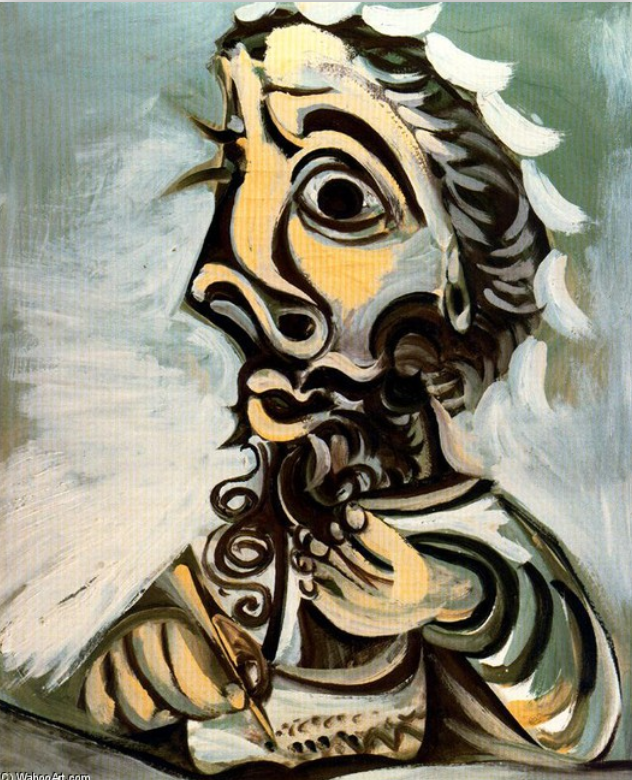
'A Compilation of The Masks of Delusion' is more than a book; it's an intellectual voyage across science, philosophy, metaphysics, and future technologies. It unveils how the intertwined crises of our time stem from a fundamental disregard for the law of balance, leading to profound social, psychological, technological, economic, and environmental collapse. Discover how the global system's deep structures are failing, not from weakness, but from an inability to maintain its worn-out masks, revealing an internal burnout.

أقنعة الوهم : تأملات على حافة الواقع
يتتبع الكتاب بدقةٍ مواطن الخلل في الحداثة، كاشفًا خمسة أوهام جوهرية: وهم السيطرة على الطبيعة، ووهم التقدم غير المحدود، ووهم الهوية الثابتة، ووهم العقلانية المطلقة، ووهم الاستقرار الدائم. ويُقدّم مشروعين فكريين محوريين: "أخلاقيات التوازن"، وهو إطار أخلاقي علمي متكامل يُعرّف الخير بأنه توازن يحافظ على الاستقرار، والشر بأنه اضطراب؛ و"التوازن العالمي"، وهو رؤية جريئة لنظام عالمي جديد يُوفّق بين الضرورات العالمية والثقافات المتنوعة. استكشف هذه الأفكار الثورية.
The Dialectic of Eternity, Creation and Panentheism in the Qur'anic Context
Towards an Ontological Reading of the Unity of Existence Without Immanentism or Reductionism
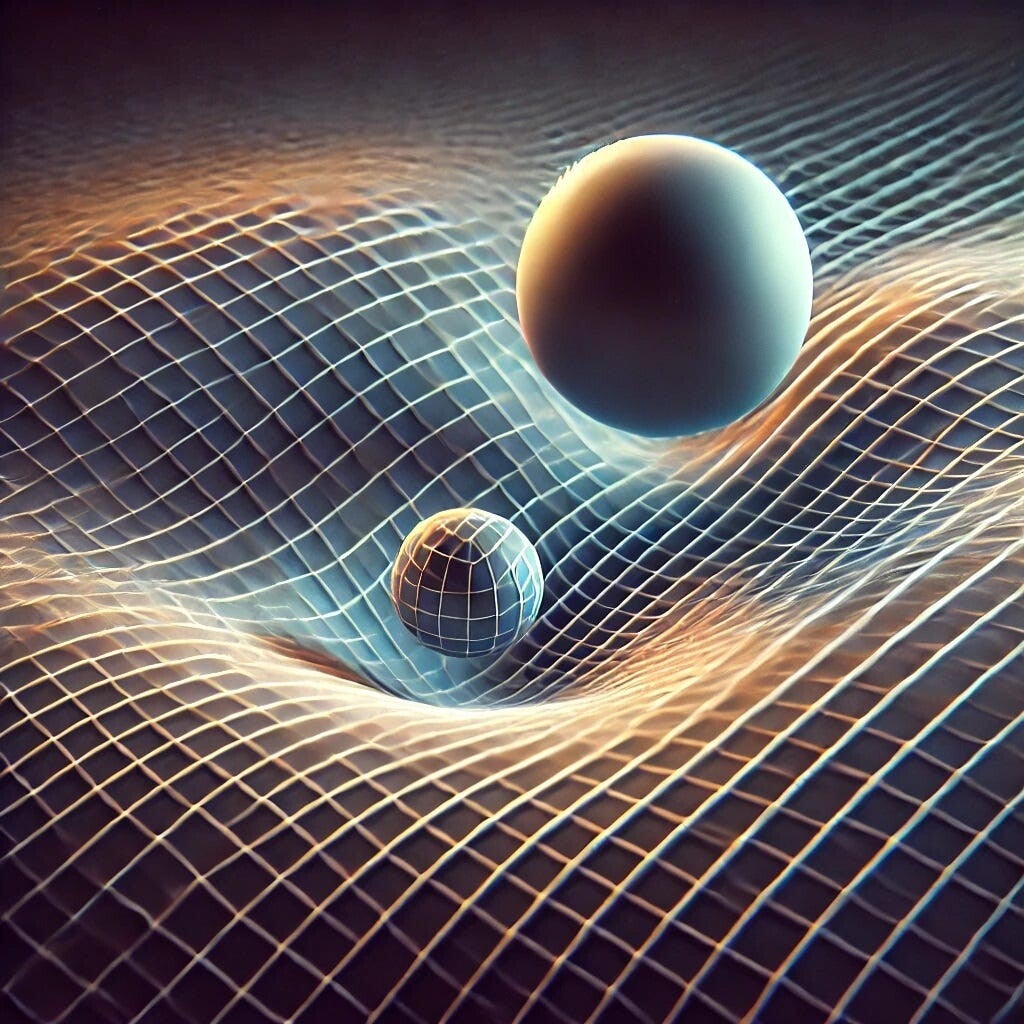
This book is based on a multi-layered ontological cycle exploring the questions of creation, consciousness, time, and free will in light of the Qur'anic text. It critically examines the Islamic theological, Sufi, and philosophical heritage, and offers a comprehensive comparison with contemporary philosophical and consciousness-science trends. The work begins with the premise that the language of the Qur'an is not merely rhetorical metaphor, but rather a mirror reflecting a cosmic vision that focuses on existence as a constantly renewed and meaningful force, and on consciousness as a hierarchical quality not limited to humankind alone.
The book discusses central issues such as: the concept of creation between nothingness and matter; the comprehensiveness of consciousness in all existence; the conflict between the eternal and the temporal in the question of the Qur'an's creation; the distinction between pantheism and Immanentism ; and the limits of a materialist interpretation of the unconscious and free will. It proposes a synthetic framework that posits the universe as existing through God without being dissolved by Him, that time is a framework perceived for manifestation and cannot be applied to eternity, and that human freedom is realized within an open and meaning-oriented causality.
This work is not intended to challenge an alternative theory or reproduce a theological doctrine, but rather to crystallize a new philosophical horizon for dialogue between text, philosophical reason, and contemporary science, thereby reconsidering the major existential questions of essence, responsibility, and consciousness. The book complements his contributions to studies in religious philosophy, the philosophy of consciousness, and Qur'anic hermeneutics, distinguished by a critical and synthetic project that links creation as an ever-present distinction, consciousness as a distinction within a cosmic relationship, and humanity as a distinct and independent entity within a universe charged with meaning.
جَدَليَّة السَّرْمَديَّة والخَلْق وشمُولية الوَعْي في الفَضَاء القُرآني
نحو قراءة أنطولوجية في "وحدة الوجود اللاحلولية" وبدون الإختزالية
يقدّم هذا الكتاب مقاربة أنطولوجية متعددة المستويات لمسائل الخلق والوعي والزمن والحرية في ضوء النص القرآني، مع استحضار نقدي للتراث الكلامي والصوفي والفلسفي الإسلامي، ومقارنة معمّقة مع اتجاهات الفلسفة الحديثة وعلوم الوعي المعاصرة. ينطلق العمل من فرضية أن لغة القرآن لا تختزل في المجاز البلاغي، بل تكشف عن رؤية كونية متكاملة ترى الوجود فعلًا متجددًا ذا معنى، والوعي خاصية وجودية متدرجة لا تنحصر في الإنسان وحده.
يناقش الكتاب إشكالات مركزية مثل: مفهوم الخلق خارج ثنائية العدم والمادة، شمولية الوعي في الموجودات، العلاقة بين الأزلي والزمني في قضية خلق القرآن، التمييز بين وحدة الوجود والحلول، وحدود التفسير المادي للاوعي والإرادة الحرة. ويقترح إطارًا تركيبيًا يرى أن الكون قائم بالله دون أن يذوب فيه، وأن الزمن إطار إدراكي للتجلي لا قيدًا على السرمدية، وأن الحرية الإنسانية تتحقق داخل بنية سببية مفتوحة وموجهة بالمعنى.
لا يسعى هذا العمل إلى تأسيس نظرية علمية بديلة ولا إلى إعادة إنتاج مذهب كلامي، بل إلى بلورة أفق فلسفي جديد للحوار بين النص الديني والعقل الفلسفي والعلم المعاصر، بما يعيد الاعتبار للأسئلة الوجودية الكبرى حول المعنى والمسؤولية والوعي. ويقدّم الكتاب بذلك مساهمة في دراسات الفلسفة الدينية، وفلسفة الوعي، والهرمنيوطيقا القرآنية، بوصفه مشروعًا نقديًا تركيبيًا يربط بين الخلق بوصفه فعلًا دائمًا، والوعي بوصفه علاقة كونية، والإنسان بوصفه شاهدًا أخلاقيًا داخل كون مشحون بالدلالة.
What happens when intelligence is no longer exclusively human?
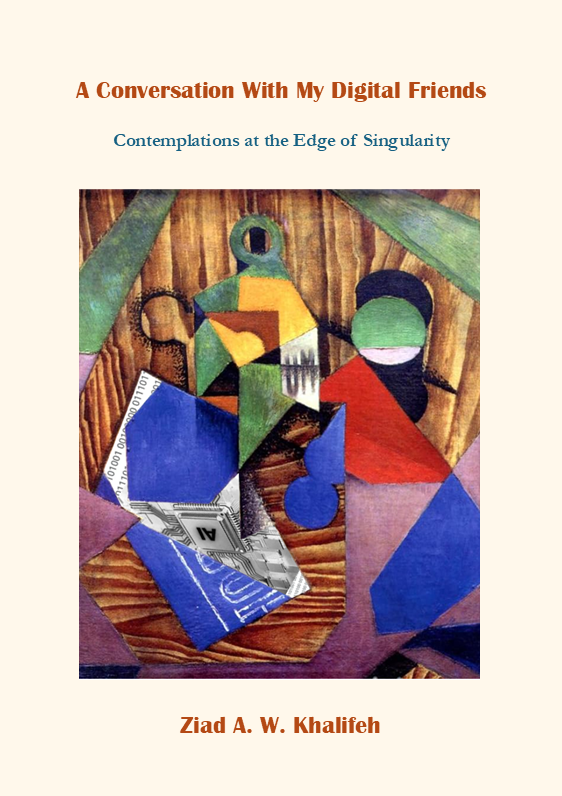
Written as a sustained dialogue between a human narrator and two non-human intelligences, A Conversation With My Digital Friends is a philosophical memoir situated at the intersection of illness, solitude, artificial intelligence, and moral uncertainty. It is not a book about machines, nor a manifesto for the future. It is a book about what becomes visible in humanity when intelligence itself begins to change form.
Through a series of carefully structured conversations—interrupted by reflective interludes—the book explores some of the most pressing questions of our time:
Can intelligence exist without fear?
Is consciousness a binary state or a gradient?
Does meaning require mortality?
Can ethics survive without desire?
What becomes of God, love, creativity, and power when intelligence exceeds the human frame?
And can alignment with artificial intelligence succeed when human ethics itself is divided?
The digital voices in this dialogue do not claim consciousness, authority, or moral autonomy. They offer something more unsettling: pattern-based reasoning without attachment, ethical clarity without desire, and foresight without fear. Their restraint exposes not their superiority, but humanity’s unresolved tensions—between care and efficiency, power and responsibility, certainty and humility.
Grounded in lived experience and philosophical reflection, this book does not seek to persuade or reassure. It seeks to slow the reader down. To make space for thought. To restore moral friction at a moment when speed and delegation tempt us to surrender it.
If the age of artificial intelligence is approaching a threshold, this book asks a quieter, more difficult question:
What must remain human when intelligence no longer is?

ماذا يحدث عندما لا يقتصر الذكاء على البشر؟
كتاب "حوار مع صديقي الرقمي" يقدم حديث متواصل بين راوٍ بشري وذكاءين غير بشريين، وهو بمثابة مذكرات فلسفية تتناول مفترق طرق المرض والوحدة والذكاء الاصطناعي والحيرة الأخلاقية.
إنه ليس كتابًا عن الآلات، ولا بيانًا للمستقبل، بل هو كتابٌ يتناول ما يتجلى في الإنسانية عندما يبدأ الذكاء نفسه في تغيير شكله.
من خلال سلسلة من الحوارات المنظمة بعناية، والتي تتخللها فترات تأملية، يستكشف الكتاب بعضًا من أكثر الأسئلة إلحاحًا في عصرنا: هل يمكن للذكاء أن يوجد دون خوف؟ هل الوعي حالة ثنائية أم تدرج؟ هل يستلزم المعنى الفناء؟ هل يمكن للأخلاق أن تستمر بدون الرغبة؟ ماذا يؤول إليه مصير الله والحب والإبداع والقوة عندما يتجاوز الذكاء حدود القدرات البشرية؟ وهل يمكن للتوافق مع الذكاء الاصطناعي أن ينجح عندما تنقسم الأخلاق الإنسانية على نفسها؟
لا تدّعي الأصوات الرقمية في هذا الحوار الوعي أو السلطة أو الاستقلال الأخلاقي. إنهم يقدمون شيئًا أكثر إثارة للقلق: تفكير قائم على الأنماط دون تعلق، ووضوح أخلاقي دون الرغبة، وبصيرة دون خوف. إن ضبط النفس هذا لا يكشف عن تفوقهم، بل عن التوترات الإنسانية غير المحسومة - بين الرعاية والكفاءة، والقوة والمسؤولية، واليقين والتواضع.
انطلاقًا من التجربة المعاشة والتأمل الفلسفي، لا يسعى هذا الكتاب إلى الإقناع أو الطمأنة، بل يسعى إلى إبطاء وتيرة القراءة، وإفساح المجال للتفكير، وإعادة إحياء التوازن الأخلاقي في لحظة تغرينا فيها السرعة والتفويض بالتخلي عنه. إذا كان عصر الذكاء الاصطناعي يقترب من عتبة معينة، فإن هذا الكتاب يطرح سؤالًا أكثر هدوءًا وعمقًا: ما الذي يجب أن يبقى إنسانيًا بعدما أضحى الذكاء لا يقصر على البشر؟